Removing accumulated plaque from the teeth is necessary to prevent serious dental complications. For this purpose, one of the most valuable procedures for maintaining dental plaque is gingival irrigation. This technique involves flushing bacteria, debris and inflammatory particles in the periodontal pockets. This blog aims to understand gingival irrigation and the clinical or billing aspects of this procedure, particularly the dental code D4921.
What is Gingival Irrigation?
Gingival irrigation, also referred to as “periodontal irrigation” or “oral irrigation,” is a dental procedure that involves delivering a therapeutic solution into the periodontal pocket or gingival sulcus for reducing bacteria or inflammation. However, this procedure is more effective when combined with other periodontal treatments, such as root planning and scaling. Together, these methods eliminate the dirt that has developed between the teeth and the gumline.
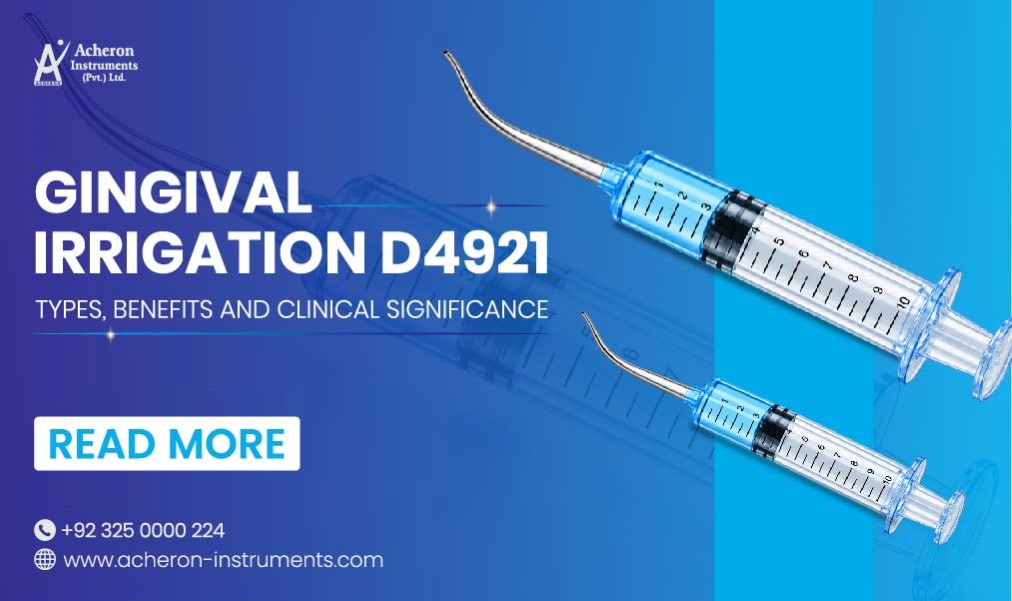
For gingival irrigation, dentists use different instruments, including irrigation cannulas and syringes, suction instruments and oral irrigators. These instruments enhance accuracy, efficiency and patient safety while ensuring thorough cleaning of subgingival areas.
Types of Gingival Irrigation
The two types of gingival irrigation procedures include:
Supragingival Irrigation
In supragingival irrigation, the jet tip is placed above the gingival margin. From this placement, the solution penetrates the subgingival sulcus and helps to wash away plaque, bacteria and debris from beneath the gumline.
Subgingival Irrigation
This procedure involves placing the soft, site-specific tip below the gingival margin. This technique is highly effective for targeting periodontal pockets, bridges, crowns, and dental implants. Therefore, it enables the thorough cleansing and removal of decayed debris below the gingival margin.
Why is Gingival Irrigation important?
Periodontal disease is usually caused by bacterial biofilm collecting below the gumline. Even after thorough root planning and scaling, residual bacteria may remain in deep pockets. Gingival irrigation helps by:
- Removing the deposits of food particles, tartar, plaque and debris.
- Delivering an antimicrobial solution directly into the periodontal pockets.
- Preventing halitosis.
- Reducing inflammation and pocket depth.
- Improving oral health and overall periodontal therapy outcomes.
Who needs Gingival Irrigation treatment?
Gum irrigation is recommended for patients who need antimicrobial therapy beneath the gumline to reduce inflammation or the bacterial load. However, the patients who may benefit from this treatment include:
- Individuals who wear braces or other orthodontic appliances find it difficult to clean around brackets and wires. Regular irrigation helps minimise tartar formation, reduces plaque buildup, and maintains their teeth and gums.
- Periodontal maintenance patients who have a history of periodontal diseases require ongoing infection control.
- Patients with dental implants need to prevent plaque accumulation, gingivitis, and bleeding around implants to support the longevity of their implants.
- Patients undergoing Scaling and Root Planing (SRP) to prevent bacterial load following deep cleaning procedures.
- High-risk patients, including people with diabetes, immunocompromised patients or smokers, may benefit from adjunctive irrigation therapy.
Understanding Dental code D4921
The d4921 Dental Code is a dental billing code recognised by the American Dental Association ADA code for irrigation under the CDT (Current Dental Terminology) system. This code is professionally administered by dental personnel, unlike routine oral rinsing, which is generally used as an adjunct to scaling and root planning or periodontal maintenance.
D4921 dental code description
D4921- Gingival irrigation with a medicinal agent (per quadrant) is generally used to deliver antimicrobial agents such as chlorhexidine, povidone-iodine, or hydrogen peroxide beneath the gumline to control inflammation and decrease bacterial levels. Also, it is reported per quadrant, meaning you bill once for each quadrant treated; if treatment crosses quadrants or the midline, you report multiple units.
When is dental code 4921 applicable?
D4921 dental code is used for patients with periodontal conditions that require adjunctive localized treatment beyond routine prophylaxis, especially in moderate to severe gingivitis or periodontitis. In such case scenarios, subgingival irrigation helps improve clinical outcomes and support overall periodontal health.
Is Gingival Irrigation covered by insurance?
One of the most frequently asked questions by patients is whether the d4921 dental code covered by insurance applies to their treatment plan. Many dental insurance carriers categorise D4921 as “non-covered” or “not separately billable,” as some insurers consider gingival irrigation to be included in other periodontal procedures. However, to reduce claim denials and enhance reimbursement success, here are a few considerations:
- Confirm benefits in advance to confirm whether d4921 is covered, excluded or bundled with other periodontal procedures.
- Submit thorough clinical documentation and supporting materials with the claim to clearly support medical necessity.
- List D4921 as a separate line item on the claim form to avoid automatic bundling issues.
- File timely appeals with supplementary evidence, such as clinical photographs, current periodontal records, or a detailed provider narrative explaining the need for gingival irrigation treatment.
Notify patients in advance that coverage for D4921 may be limited, and obtain signed acknowledgement forms if coverage is uncertain.
Where to find high-quality dental hygiene instruments?
You can buy high-quality dental instruments from Acheron Instruments that offer a wide range for every surgical requirement. From probes and elevators to dental extractors and carriers, we provide an extensive range of dental instruments. Our ISO-certified, medical-grade German stainless steel instruments emphasise quality, functionality, and durability to meet the requirements of healthcare institutions. Contact us now if you need assistance in selecting the perfect tools for your practice!
FAQ
What is the purpose of gingival irrigation?
The primary purpose of gingival irrigation is to reduce harmful bacteria beneath the gumline, deeply cleanse periodontal pockets to reduce the risk of gum inflammation, treat gum disease and maintain dental implants.
How to use a gingival irrigation system at home?
Here’s a quick guide on how to properly use an at-home oral irrigator:
- Add lukewarm water or a dentist-approved antimicrobial solution to the reservoir.
- Choose the appropriate tip and insert it into the handle.
- Adjust the pressure to the lowest setting initially to prevent discomfort.
- Aim the tip at the gumline, at a 45-degree angle, and gently glide along the gums.
- Pause briefly between the teeth to flush out debris and plaque.
- Empty the reservoir after each use to prevent bacterial growth.
- Use once daily, or as recommended by your dentist.
What are the Benefits of regular gingival irrigation for gum health?
- Prevents gum inflammation and gingivitis.
- Effectively controls plaque and bacteria.
- Supports periodontal treatments such as scaling and root planning.
- Improves oral hygiene in hard-to-access areas.
- Improves breath and reduces halitosis.
- Prevents the risk of periodontitis.
- Promotes long-term gum health.

-1790596974.jpg)