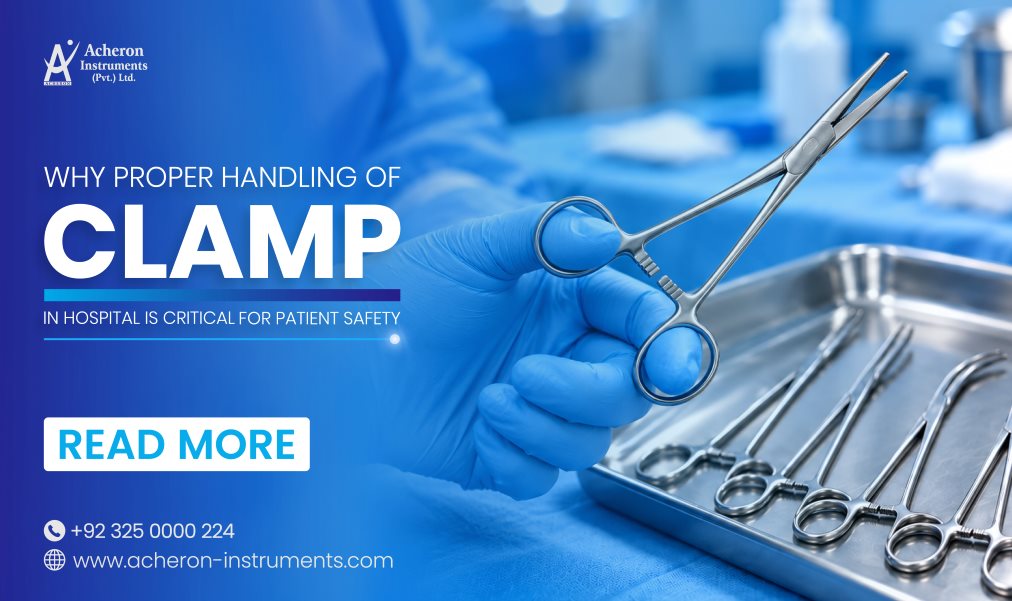
In various surgical procedures, clamps are among the few instruments that appear often and help support successful surgery. The clamps are used as routine instruments, which is why nurses and medical students take them as a simple tool. This is where the risk lies that leads to surgical complications.
Moreover, how a clamp is selected, used, cleaned, inspected, and stored directly affects whether a patient leaves surgery with a smooth recovery or with avoidable complications such as tissue damage, bleeding, or infection. This guide explains why proper handling of a clamp in hospital settings is critical to patient safety, best practices, and what your team can do to get it right.
What Is a Surgical Clamp?
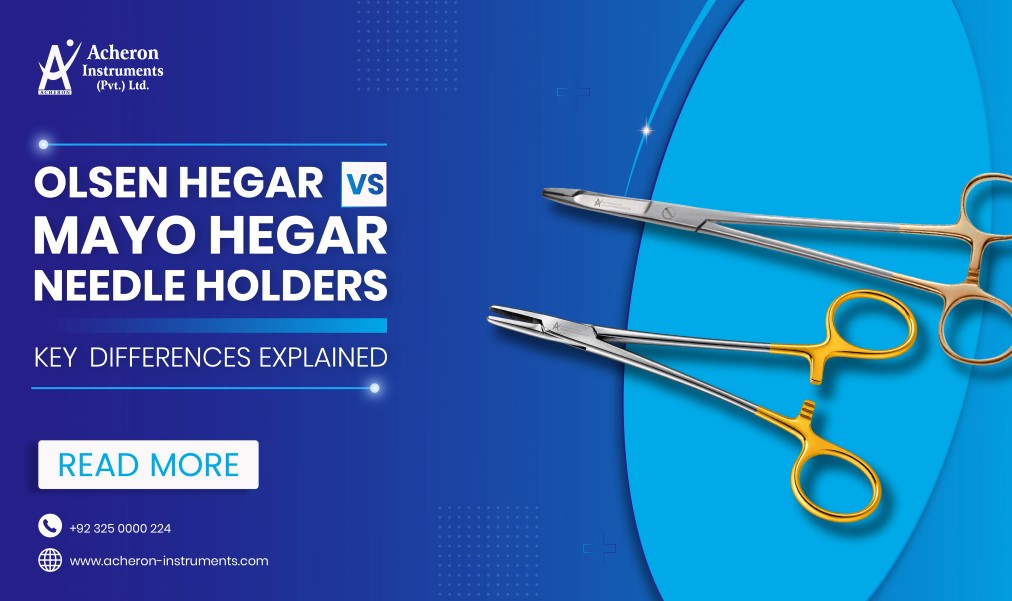
A surgical clamp is a hinged instrument with a ratchet locking mechanism that allows a surgeon or nurse to hold tissue, compress blood vessels, or secure materials without needing constant hand pressure on the instrument. Once the ratchet engages, the jaws stay closed at a set pressure until released. Hospitals use a wide range of clamps, each designed for a specific job. The following are the common types and uses of clamps.
|
Type |
Functions |
Examples |
|
Hemostatic Clamp |
Compresses blood vessels to stop bleeding. |
Mosquito clamp & Kelly clamp |
|
Vascular Clamp |
Blocks blood flow through major vessels. |
DeBakey clamp & Satinsky clamp |
|
Tissue / Grasping Clamp |
Holds skin, fascia, or internal organ tissue. |
Allis clamp & Babcock clamp |
|
Towel Clamp |
Holds surgical drapes to the patient’s skin. |
|
|
Intestinal Clamp |
Occludes the lumen of the stomach or intestines. |
Why Clamp Handling Directly Affects Patient Safety
1. Preventing Tissue and Vascular Injury
When medical professionals use clamps, they apply concentrated pressure for proper functioning. That pressure is beneficial when controlled, but harmful when it is not. For example, a toothed Kocher clamp placed on delicate tissue, or a hemostat locked to its final ratchet notch on a fragile vessel can crush cells, tear tissue, or injure the vessel’s inner lining. Such vascular injury can contribute to thrombosis or delayed bleeding after surgery.
Furthermore, proper handling of clamps means matching the clamp to the tissue, applying only the ratchet tension needed, and limiting clamp time on sensitive structures. Atraumatic clamps exist precisely so surgeons can occlude without crushing, but they only protect the patient when they are chosen and used as intended.
2. Reliable Hemostasis
A hemostat that slips or a ratchet that releases unexpectedly can cause sudden bleeding in the middle of a surgical procedure. This is usually not a user error in the moment but a handling problem that happened earlier, due to an instrument dropped on the floor, a box lock forced open, a clamp used as a pry tool, or wear that went unnoticed during inspection. Each of these turns a reliable instrument into a liability.
3. Infection Prevention
Clamps enter sterile body tissue, which puts them in the highest-risk category for medical devices. They must be sterilized, not just disinfected, before each use. Clamps are also difficult to clean. The box lock (the hinge), serrated jaws, and ratchet teeth all trap blood, tissue, and bioburden. If debris dries inside the instrument parts, it can cause infection. Improper handling after surgery, especially leaving instruments to dry with soil on them or cleaning them in the closed position, is one of the most common reasons reprocessing fails.
4. Preventing Retained Surgical Items
Small clamps, such as mosquito hemostats, may be left inside a patient when counts are incomplete or poorly documented. Retained surgical items are considered serious, preventable events in patient safety frameworks. Furthermore, careful handling, including standardized counts at the start and end of procedures, consistent instrument tray layouts, and clear communication within the surgical team, is the primary defense.
5. Protecting Staff as Well as Patients
Mishandled clamps also put staff at risk. Instruments passed carelessly, dropped onto trays, or transported with sharps mixed in increase the risk of injuries and exposure to bloodborne pathogens. A culture of careful handling protects the entire surgical team, which in turn supports safer patient care.
Best Practices for Proper Handling of a Clamp in Hospital Settings
Choose the Right Clamp for the Task
-
Match jaw pattern (serrated, toothed, or atraumatic) to the tissue.
-
Confirm the size and curvature suit the procedure.
-
Never use a fine vascular clamp on tubing.
-
Never grip needles with a hemostat, as it damages the jaws.
Use Only the Ratchet Tension Required
-
Lock to the first notch that does the job.
-
Less tension means less tissue trauma.
-
Over-closing strains the box lock and misaligns jaws.
Pass and Receive Instruments Safely
-
Pass the handle first with the ratchet controlled.
-
Use a firm, deliberate motion the receiver can feel.
-
Reduces drops, field contamination, and hand injuries.
Never Use a Clamp as a Lever or Hammer
-
Prying, twisting, or striking bends shanks and loosens hinges.
-
Damaged clamps may look fine but fail mid-surgery.
Keep Instruments Moist at the Point of Use
-
Wipe visible blood during the procedure.
-
Cover used clamps with a damp towel or enzymatic spray.
-
Prevents soil from drying in box locks and serrations.
How Acheron Instruments Supports Safer Clamp Handling
At Acheron Instruments, we design our clamps with the operating room and the sterile processing department in mind. Our instruments are made from surgical-grade stainless steel, finished for straightforward cleaning and inspection, and checked for jaw alignment and ratchet performance before leaving our facility. Our surgical clamps offer:
-
Surgical-grade stainless steel that resists corrosion through repeated sterilization cycles.
-
Precisely aligned jaws and serrations that grip securely without unnecessary trauma.
-
A reliable, consistent ratchet that holds at every notch.
-
A smooth, passivated finish that is easier to clean and inspect.
-
Clear instructions for use that support correct reprocessing.
Whether you need hemostatic forceps, tissue clamps, towel clamps, or specialized vascular instruments, our team can help you select the right tools for your procedures and reprocessing workflow.
Conclusion
Proper handling of a clamp in hospital environments is not a minor procedural detail. It is a frontline patient safety practice. From choosing the correct clamp and applying the right pressure to cleaning it open, inspecting it carefully, and storing it safely, every step helps protect patients from tissue injury, bleeding, infection, and retained instruments.
When careful handling is combined with high-quality instruments, hospitals reduce risk, extend instrument life, and give surgical teams tools they can trust. Explore the Acheron Instruments range of surgical clamps or contact our team today to find reliable instruments built for safe, consistent performance in your operating room.