Read our latest blogs

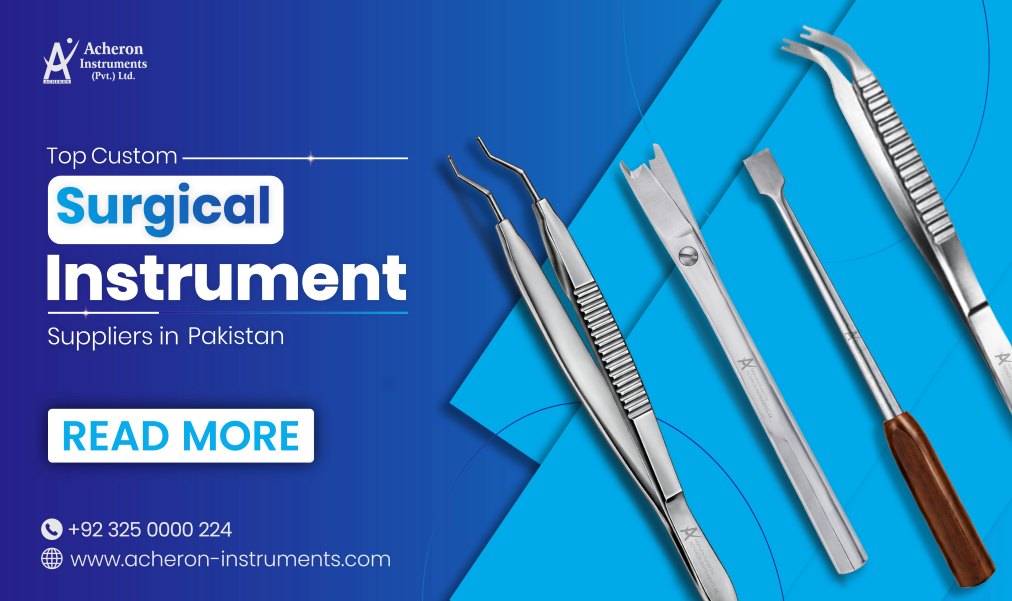
Top Custom Surgical Instrument Suppliers in Pakistan

Top Custom Surgical Instrument Suppliers in Pakistan

  36 min read

When surgeons, distributors, and healthcare buyers search for reliable custom surgical instruments, one country consistently dominates the conversation, and that country is Pakistan. What separates a genuine manufacturer from a middleman trader is in-house production, material traceability, and the ability to build instruments to exact specifications. This is precisely where Acheron Instruments has emerged as the supplier of choice for buyers who refuse to compromise on precision, customization, and consistency. 

Blog Detail
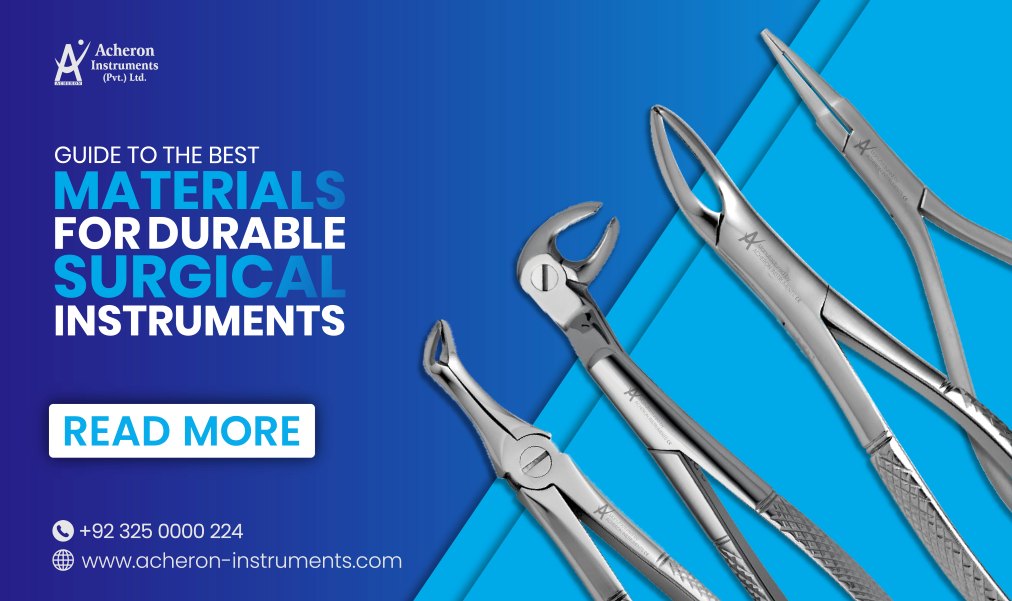
Guide to the Best Materials for Durable Surgical Instruments

Guide to the Best Materials for Durable Surgical Instruments

  37 min read

Surgical instruments endure some of the harshest conditions in medicine, including repeated sterilization cycles, exposure to blood and bodily fluids, aggressive cleaning chemicals, and constant mechanical stress. The material an instrument is made from determines how long it lasts, how well it resists corrosion, and how safely it performs in the operating room. Choosing the right material is not just a matter of cost; it is a matter of patient safety and long-term value.

Blog Detail
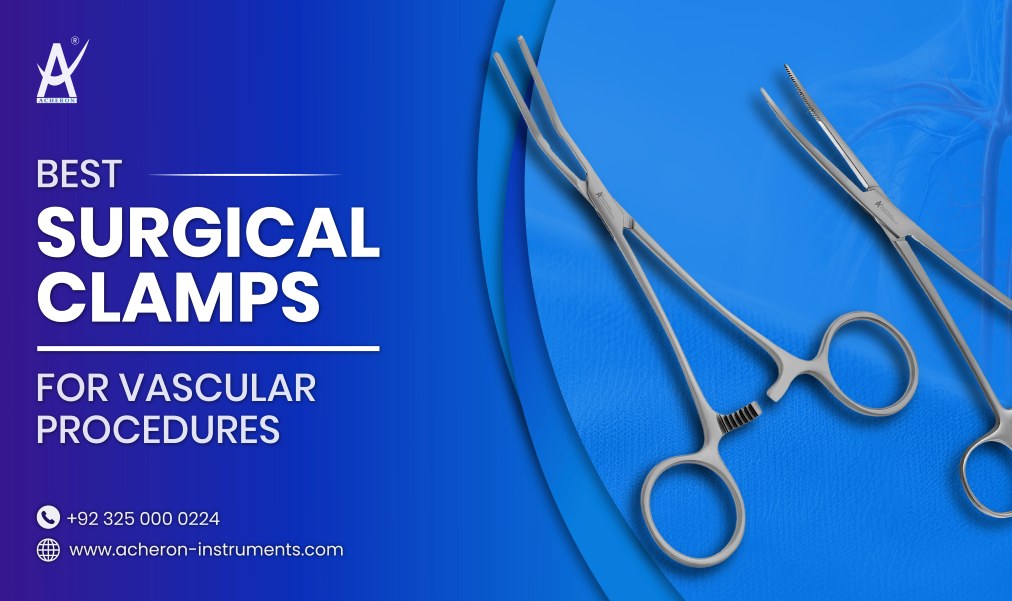
Best Surgical Clamps for Vascular Procedures

Best Surgical Clamps for Vascular Procedures

  56 min read

In vascular and cardiovascular surgery, controlling blood flow is not merely a procedural step but the difference between a bloodless, well-visualized surgical field and a life-threatening complication. Vascular clamps are essential instruments that enable this control, temporarily occluding arteries and veins without crushing the delicate vessel walls or damaging the endothelial lining.

Blog Detail
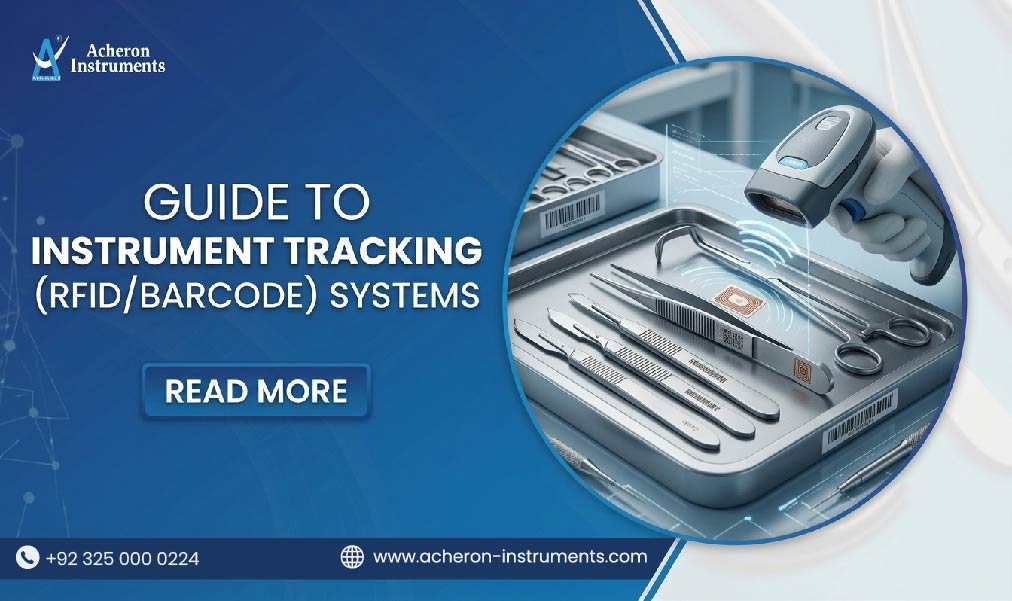
Guide to Instrument Tracking (RFID/barcode) Systems

Guide to Instrument Tracking (RFID/barcode) Systems

  65 min read

Every year, thousands of surgical instruments are lost, misplaced, or left in the wrong place at the wrong time and, in the worst cases, left inside a patient. An instrument tracking system built on RFID, barcode, or a hybrid of both solves this problem by giving every individual instrument a unique digital identity that can be scanned, located, and audited in seconds. Moreover, this guide explains how barcode and RFID instrument tracking systems work, their differences, key components, regulatory considerations, implementation steps, common challenges, and how to select the right solution for a healthcare facility.

Blog Detail
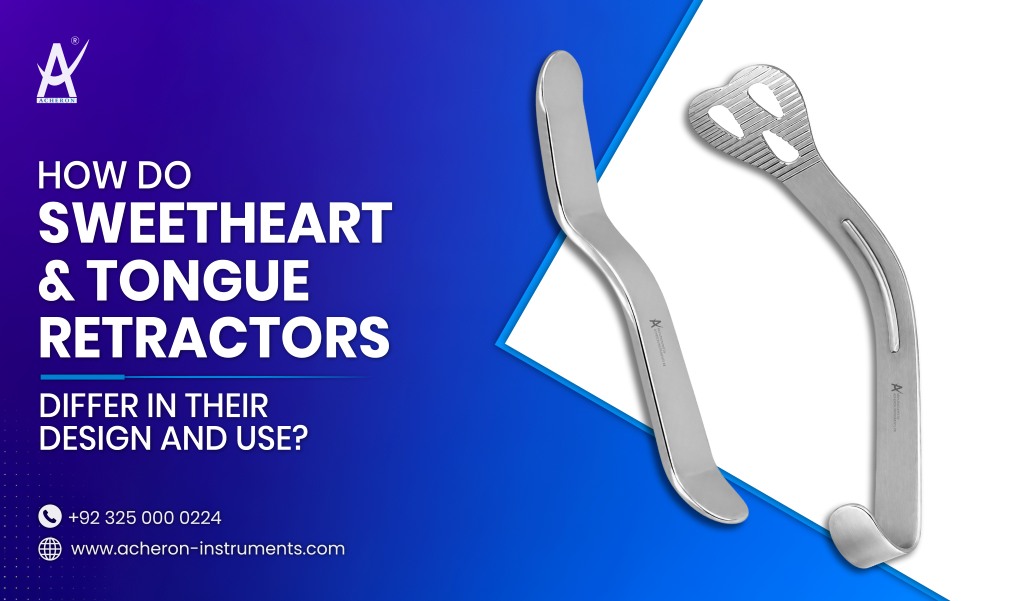
How Do Sweetheart and Tongue Retractors Differ in Their Design and Use?

How Do Sweetheart and Tongue Retractors Differ in Their Design and Use?

  50 min read

In dental surgery procedures, visibility is crucial to perform precise and safe treatment. Whether you're placing a lower molar restoration, performing a surgical extraction, or completing an orthodontic procedure, the tongue and cheek are constantly competing for space in an already tight working area. That is where dental retractors come in, and two names come up more than almost any others: the sweetheart retractor and the tongue retractor.

Blog Detail
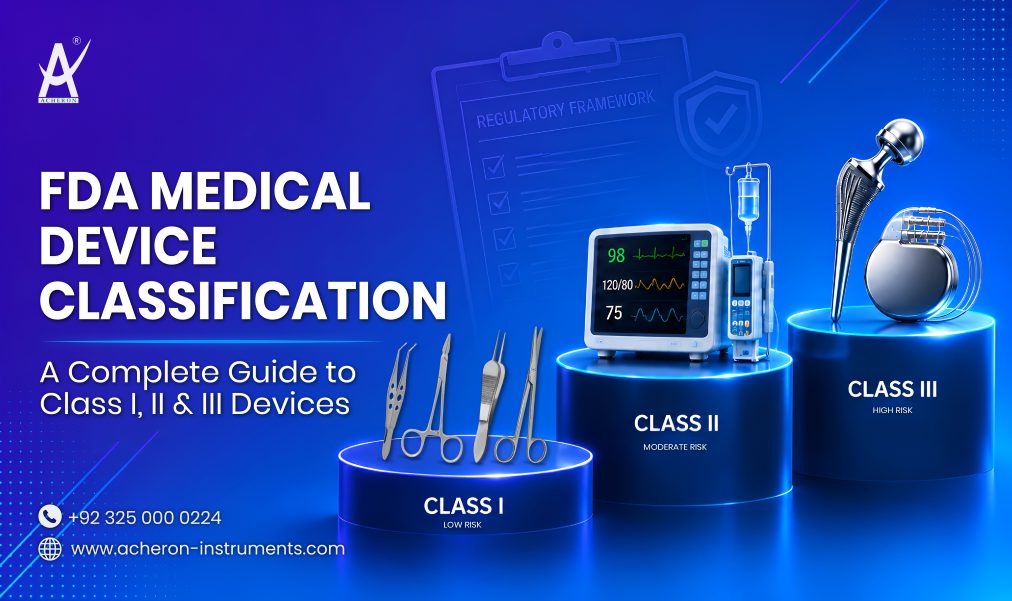
FDA Medical Device Classification: A Complete Guide to Class I, II, and III Devices

FDA Medical Device Classification: A Complete Guide to Class I, II, and III Devices

  71 min read

If you manufacture, import, distribute, or simply want to understand medical devices sold in the United States, one term will come up everywhere: FDA medical device classification. Every device, from a tongue depressor to an implantable pacemaker, is assigned to one of three risk-based categories by the U.S. Food and Drug Administration (FDA). This single decision determines the level of regulatory oversight a product requires, the paperwork needed before it can be sold, and how much time and money it will take to bring it to market. 

Blog Detail
Can Surgical Instruments Be Autoclaved? A Detailed Guide

Can Surgical Instruments Be Autoclaved? A Detailed Guide

  58 min read

Surgical instruments come into direct contact with blood, tissue, and internal body structures during procedures, which makes proper sterilization a matter of patient safety, not just routine cleaning. One of the most common questions asked by clinics, hospitals, and even home-based practitioners is, Can surgical instruments be autoclaved? The short answer is yes, most surgical instruments can and should be autoclaved, since steam sterilization is the gold standard for reprocessing reusable medical devices. However, the full answer is more subtle, as material composition, instrument design, and manufacturer instructions all determine whether a specific tool is autoclave-safe. 

Blog Detail
How Do Surgical Tools Vary Between Different Types of Surgery?

How Do Surgical Tools Vary Between Different Types of Surgery?

  67 min read

Surgical tools vary significantly across different types of surgery because each operation involves distinct organs, tissues, risks, access points, and levels of precision. A scalpel used to open skin for a general surgeon looks nothing like the micro-scissors a neurosurgeon uses under a microscope, and the bone-cutting saws in an orthopedic tray would be useless, even dangerous, in a delicate eye procedure. Understanding how surgical tools vary between different types of surgery helps healthcare professionals select the right tools, improve surgical efficiency, and support patient safety. In this blog, we will break down surgical instrumentation by speciality, explain why each speciality demands its own toolkit, and highlight the key differences that set one surgical tray apart from another.

Blog Detail
What Should I Consider When Choosing Surgical Tools for a Medical Practice

What Should I Consider When Choosing Surgical Tools for a Medical Practice

  61 min read

Choosing surgical tools for a medical practice is a decision that directly affects procedural efficiency, instrument longevity, infection-control workflows, and the confidence of healthcare professionals. For the right selection of surgical instruments, one must evaluate how each instrument is manufactured, how it performs during a procedure, whether it can be safely reprocessed, and whether the supplier can provide consistent quality over time. 

Blog Detail
Different Types of Surgical Clamps Used in Operations

Different Types of Surgical Clamps Used in Operations

  91 min read

Surgical clamps are among the most important instruments used in operating rooms. They help surgeons hold tissues, control bleeding, secure drapes, occlude vessels, stabilize organs, and manage delicate anatomical structures during procedures. Moreover, different operations require different clamp designs because every tissue, vessel, bone, or surgical field has unique handling needs. In this blog, we will discuss the different types of surgical clamps used in operations, along with their uses, characteristics, and contributions to a successful surgical procedure.

Blog Detail
Different Types of Surgical Forceps & Applications

Different Types of Surgical Forceps & Applications

  62 min read

Surgical instruments play a critical role in ensuring precision and efficiency during surgical procedures. Among these instruments, different types of forceps are considered essential tools in almost every medical specialty. From grasping delicate tissues to controlling bleeding and handling dressings, forceps provide surgeons and healthcare professionals with better control during procedures. Furthermore, forceps come in various designs, shapes, and sizes, each intended for specific surgical applications. This guide explores the different types of forceps, their classifications, and their uses in surgical procedures.

Blog Detail
Whatsapp 923250000224