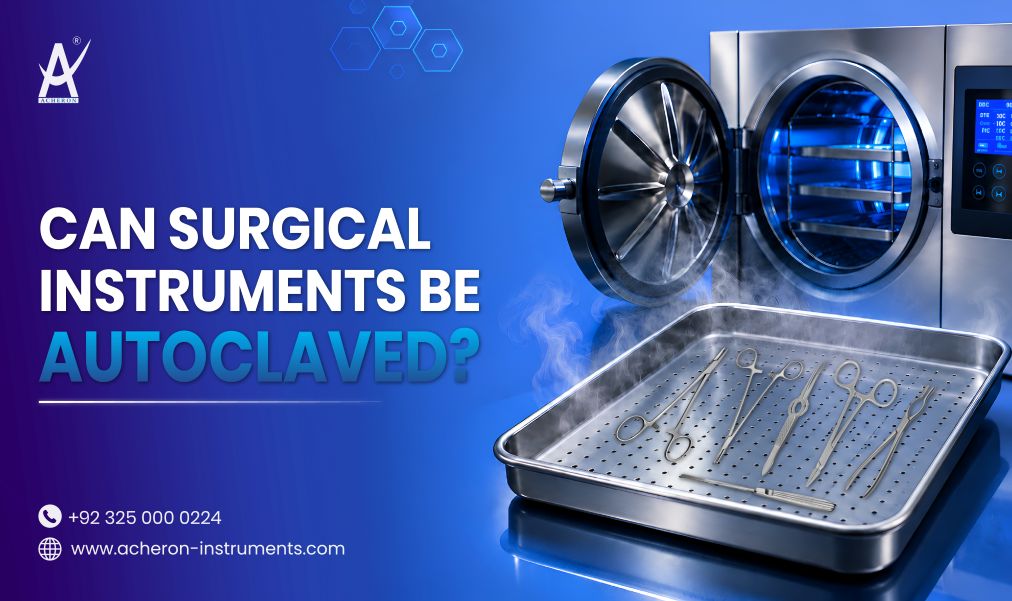
Surgical instruments come into direct contact with blood, tissue, and internal body structures during procedures, which makes proper sterilization a matter of patient safety, not just routine cleaning. One of the most common questions asked by clinics, hospitals, and even home-based practitioners is, Can surgical instruments be autoclaved? The short answer is yes, most surgical instruments can and should be autoclaved, since steam sterilization is the gold standard for reprocessing reusable medical devices. However, the full answer is more subtle, as material composition, instrument design, and manufacturer instructions all determine whether a specific tool is autoclave-safe.
This guide explains how autoclaving works, which instruments are safe to sterilize, which materials need caution, how to choose a cycle, and best practices for preserving instrument integrity over time.
What Is Autoclaving?
An autoclave is a device that uses pressurized steam at high temperatures to destroy bacteria, viruses, fungi, and spores on medical and laboratory equipment. Unlike simple boiling or chemical wiping, autoclaving achieves sterilization, the complete elimination of all microbial life, including highly resistant bacterial spores. Most autoclave cycles operate at:
-
121°C (250°F) for at least 15–30 minutes, or
-
132–134°C (270–273°F) for 3–4 minutes (gravity or pre-vacuum cycles)
The combination of heat, pressure, and moisture penetrates microorganisms far more effectively than dry heat or disinfectant solutions alone, making autoclaving the preferred method for reprocessing reusable surgical instruments in hospitals, surgical centers, and dental practices worldwide. Furthermore, an autoclave cycle normally includes several stages:
-
Air is removed from the chamber and instrument load.
-
Saturated steam enters the chamber.
-
The instruments are held at the required sterilization temperature for a validated exposure period.
-
Steam is removed from the chamber.
-
The load passes through a drying and cooling stage.
Successful sterilization requires more than reaching a high temperature. Steam must contact all instrument surfaces for the full exposure time. Air pockets, poor packaging, overloading, trapped moisture, closed hinges, blocked lumens, or residual organic material can all interfere with sterilization.
Can Surgical Instruments Be Autoclaved?
Yes. The wide range of surgical instruments is specifically manufactured to withstand autoclave sterilization, and manufacturers typically design them with this exact process in mind. This includes the following:
-
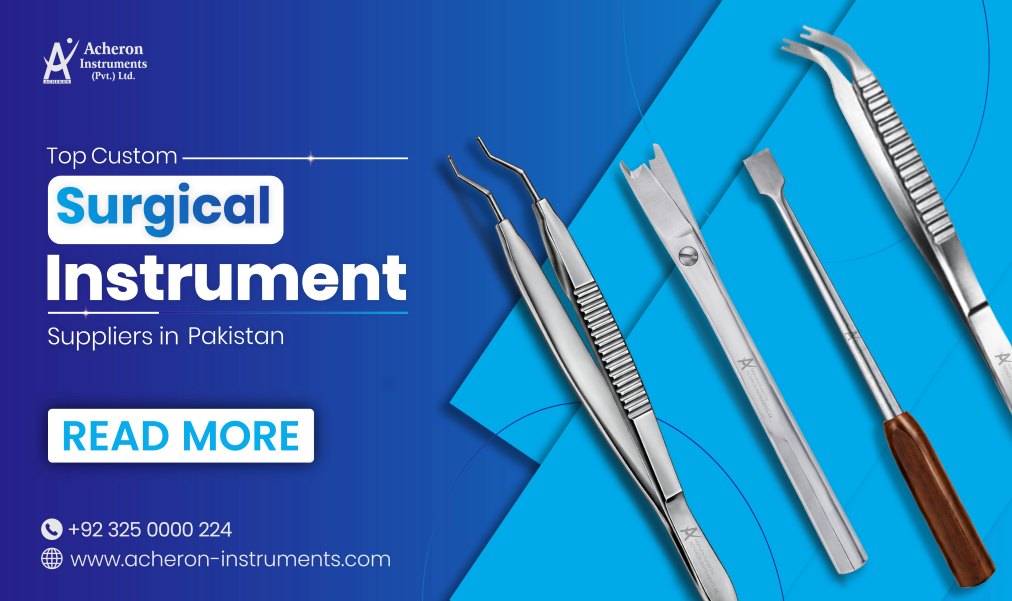
Stainless steel scalpels, scissors, and forceps
-
Hemostats and clamps
-
Surgical scissors and trimmers
-
Reusable surgical trays and cassettes
-
Many rigid endoscopic and laparoscopic instruments
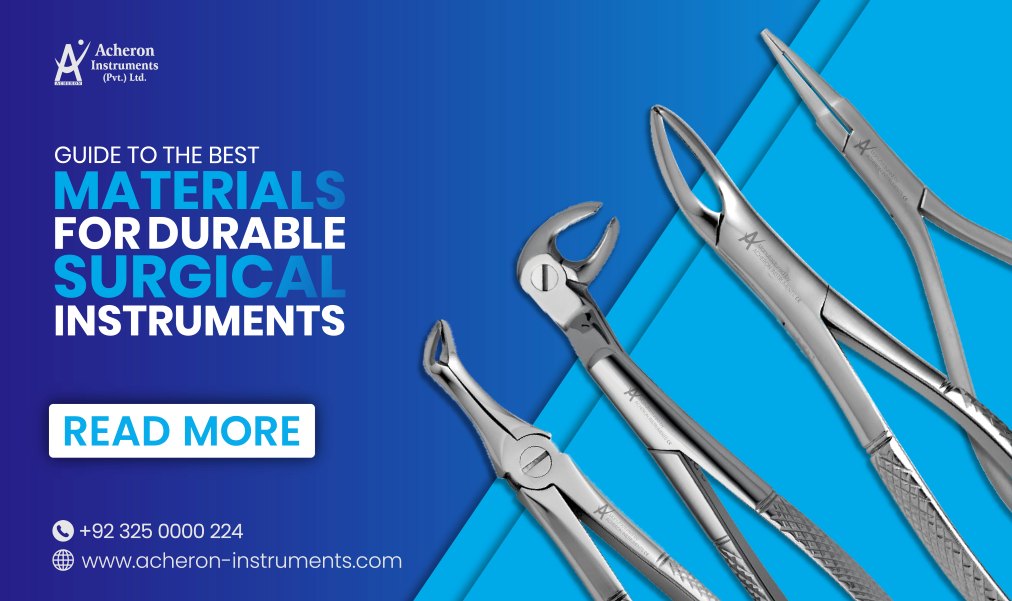
Because surgical-grade stainless steel is corrosion-resistant and can tolerate repeated exposure to high heat and moisture without warping or degrading, it is considered the ideal material for autoclave sterilization. This is precisely why the vast majority of surgical tool sets on the market are made from stainless steel, titanium, or other autoclave-compatible alloys. That said, not every instrument or material is autoclave-safe, which is why checking manufacturer instructions for use (IFU) before the first sterilization cycle is essential.
Want to keep your instruments performing at their best for longer? Read our Care and Maintenance of Surgical Instruments guide for sterilization instructions.
Materials That Are Safe to Autoclave
|
Material |
Autoclave Safe? |
Notes |
|
Surgical stainless steel |
Yes |
Ideal for repeated cycles; corrosion-resistant. |
|
Titanium |
Yes |
Lightweight, highly resistant to heat and corrosion. |
|
Borosilicate glass |
Yes |
Common in lab and reusable glass instruments. |
|
Autoclavable silicone |
Yes |
Used in some tubing, seals, and grips. |
|
Certain heat-stable plastics (PTFE, polypropylene) |
Often Yes |
Must confirm manufacturer heat tolerance. |
Materials That May Not Be Autoclave Safe
|
Material |
Autoclave Safe? |
Notes |
|
Aluminum (uncoated) |
Caution |
Can discolor or corrode with repeated cycles. |
|
Carbon steel (non-stainless) |
No/Caution |
Prone to rust and corrosion. |
|
Standard plastics (PVC, ABS) |
No |
Can melt, warp, or degrade under heat. |
|
Adhesives, glued components |
No |
Heat can break down bonding agents. |
|
Certain electronic components (batteries, circuit boards) |
No |
Moisture and heat cause damage. |
|
Fiber-optic light cables |
Caution |
Many require low-temperature sterilization instead. |
Furthermore, if an instrument combines different materials, the entire autoclave instrument compatibility depends on its weakest component, not just its metal parts.
Instruments That Typically Should Not Be Autoclaved
While most solid surgical tools handle autoclaving well, certain categories require alternative sterilization methods:
-
Heat-sensitive electronics: Powered surgical devices, batteries, and some diagnostic equipment.
-
Flexible endoscopes: Many require low-temperature sterilization (e.g., ethylene oxide or hydrogen peroxide plasma) because of internal optics and adhesives.
-
Certain single-use (disposable) instruments: Designed for single use only; reprocessing may compromise structural integrity and is often against regulatory guidance.
-
Instruments with adhesive-bonded parts: High heat can weaken glue bonds.
-
Sharp instruments with fine cutting edges: Repeated high-heat cycles can dull precision edges over time, though most surgical-grade blades are designed to tolerate it.
Always consult the manufacturer’s Instructions for Use (IFU), which will explicitly state whether an instrument is autoclavable and, if so, the recommended cycle parameters.
Types of Autoclave Cycles for Surgical Instruments
Choosing the right cycle matters just as much as knowing whether an instrument is autoclave-compatible. The three most common cycle types are the following:
1. Gravity Displacement Cycle
Steam displaces air inside the chamber by gravity. It is commonly used for solid, nonwrapped instruments. It runs at 121°C for 15–30 minutes, depending on load size.
2. Pre-Vacuum (Dynamic Air Removal) Cycle
A vacuum pump removes air from the chamber before steam is introduced, allowing faster, deeper steam penetration, ideal for wrapped instruments, porous materials, and instruments with lumens (hollow channels). It runs at 132–134°C for 3–4 minutes.
3. Flash (Immediate Use) Sterilization
A rapid cycle is used when an instrument is urgently needed, and no sterile replacement is available—not intended for routine sterilization or storage, as items are not typically packaged for later use.
Benefits of Autoclaving Surgical Instruments
The following are the primary benefits of autoclaving surgical instruments:
-
Broad-spectrum efficacy: Kills bacteria, viruses, fungi, and resistant spores.
-
Cost-effective: No ongoing chemical costs compared to liquid chemical sterilants.
-
Fast turnaround: Most cycles complete in under an hour, enabling quick reuse.
-
Environmentally friendlier: Uses water and heat instead of toxic chemicals like ethylene oxide.
-
Widely validated: Backed by decades of clinical research and regulatory standards.
Common Mistakes That Compromise Sterilization
The following are the most common mistakes that compromise and affect the sterilization of surgical instruments.
-
Overcrowding trays, blocking steam penetration
-
Skipping pre-cleaning, leaving organic debris that shields microbes from steam
-
Using the wrong cycle type for wrapped vs. unwrapped instruments
-
Not monitoring cycles with biological indicators regularly
-
Ignoring manufacturer IFUs for mixed-material or specialty instruments
-
Removing instruments before the drying phase completes, leading to moisture-related corrosion
Choose Reliable Surgical Instruments from Acheron Instruments
Proper sterilization begins with instruments made for reliable performance and repeated clinical use. Acheron Instruments provides high-quality surgical instruments designed to support healthcare professionals in operating rooms, clinics, and medical facilities.
Our instrument range is developed with a strong focus on precision, durability, functionality, and ease of reprocessing. Whether you need surgical scissors, forceps, clamps, needle holders, retractors, or other specialized instruments, Acheron Instruments offers dependable solutions for professional medical applications. For the best results, each instrument should be cleaned, sterilized, and maintained according to its specific Instructions for Use.
Partner with Acheron Instruments for precision-engineered surgical instruments you can rely on. Contact our team to discuss product availability, bulk orders, and customized instrument requirements.
Conclusion
So, can surgical instruments be autoclaved? For most of the reusable, metal-based surgical tools, the answer is yes; autoclaving remains the safest, most effective, and most widely trusted sterilization method in modern healthcare. Success depends on verifying manufacturer instructions, pre-cleaning thoroughly, selecting the correct cycle, and following established sterilization standards. Moreover, when these steps are followed consistently, autoclaving provides reliable, hospital-grade sterility that protects both patients and clinical staff.

-1790596974.jpg)