
With a versatile range of surgical instruments, the medical professionals should know which one to select to perform a specific procedure and make all the difference in patient outcomes. One such instrument is the curette, designed for safe scraping or debridement of biological tissue or debris for diagnostic purposes. These surgical curettes are small yet highly effective instruments available in multiple types, sizes, and variations to suit all patient anatomies. Whether you're a patient or a healthcare provider, understanding the role and flexibility of this instrument can highlight its significance in the operating room. In this blog, we will explore the basic understanding of surgical curettes, their purposes in various surgical procedures, and their critical role across multiple specialties.
Explore our range of curettes for a wide selection.
What are Surgical Curettes?
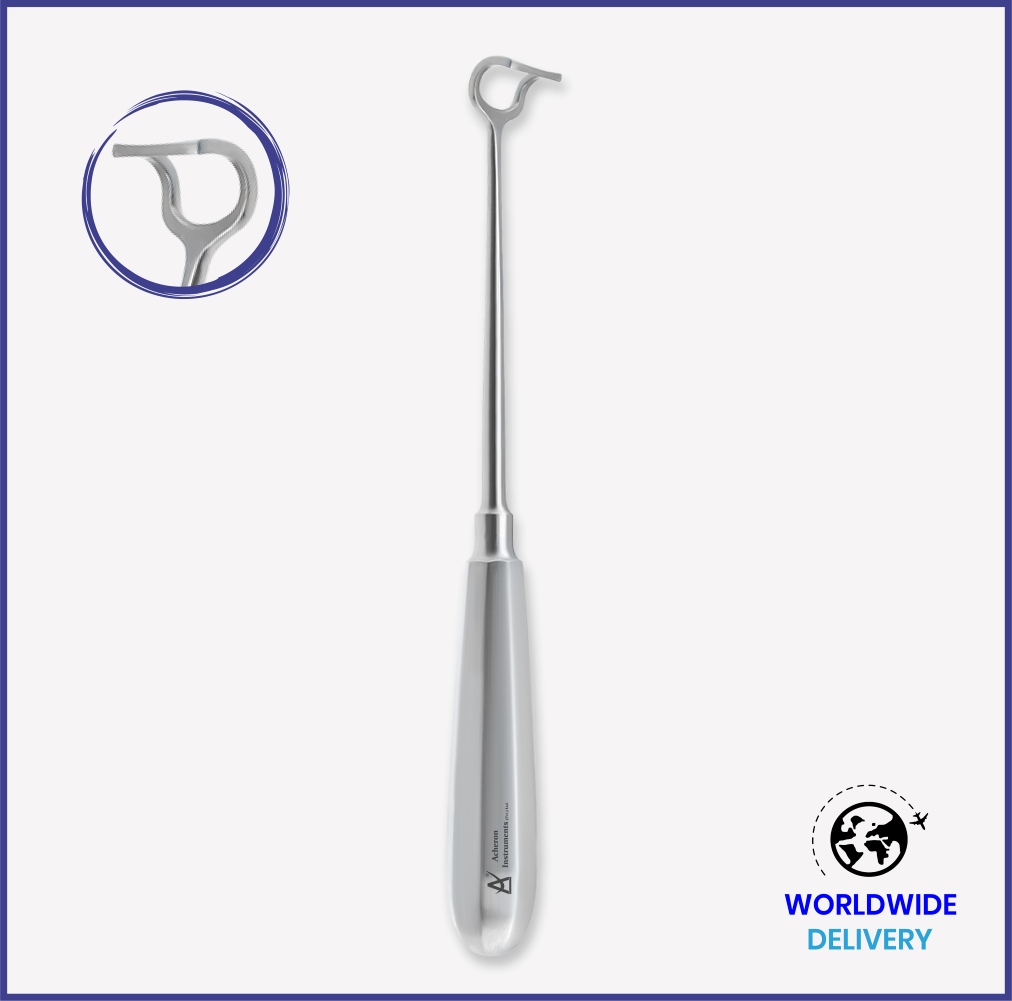
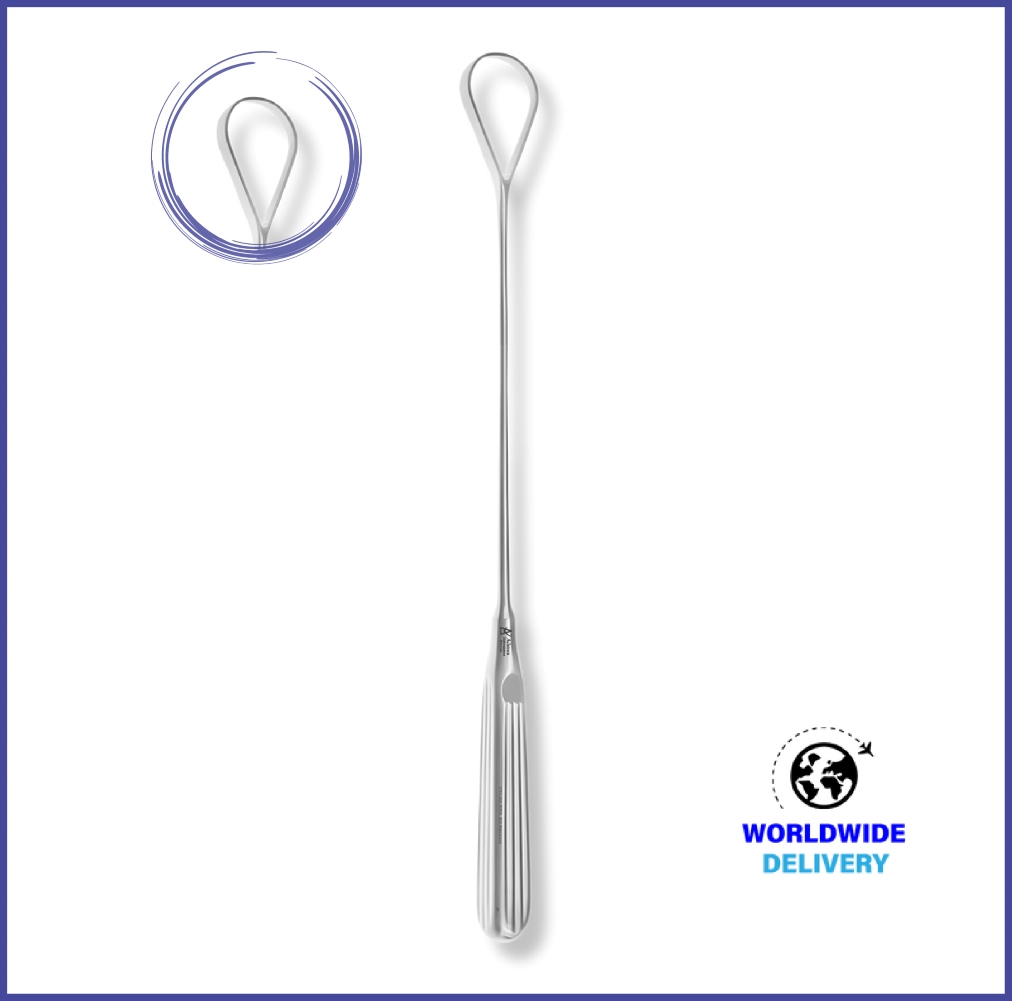
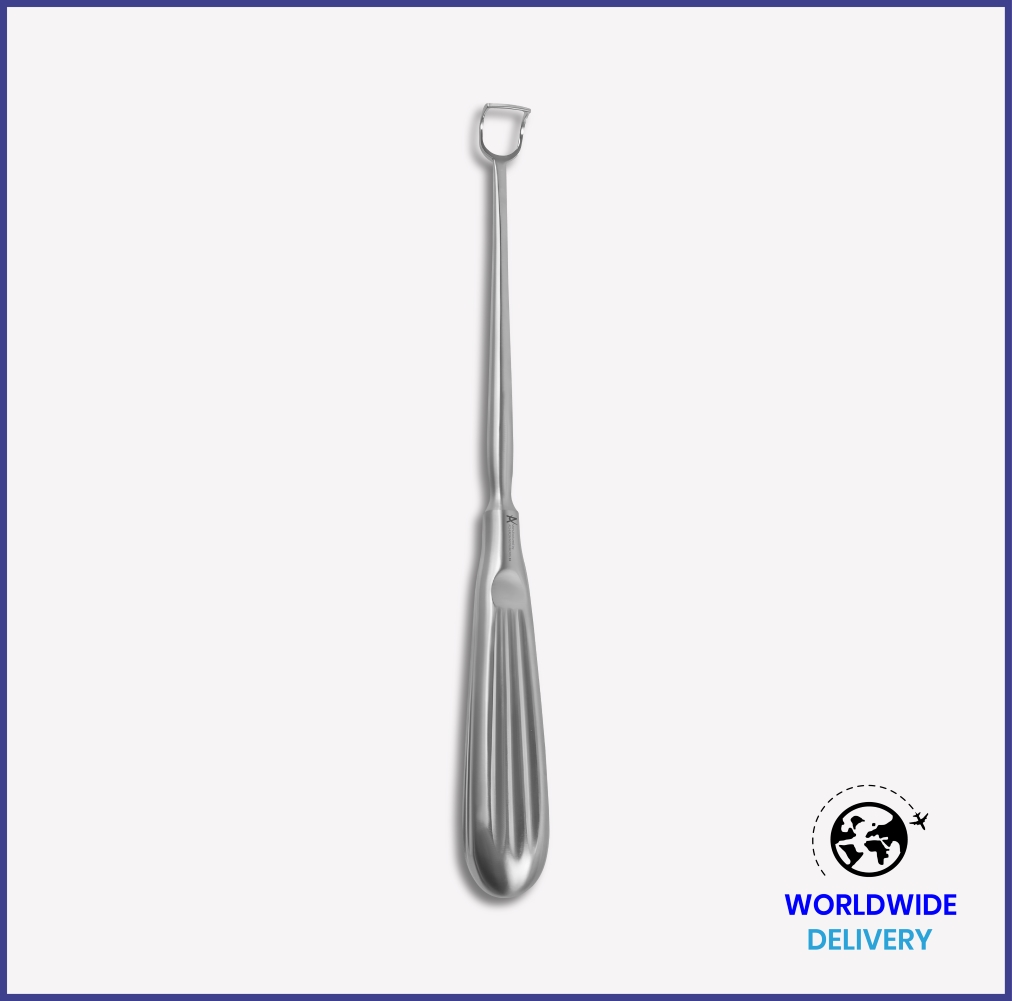
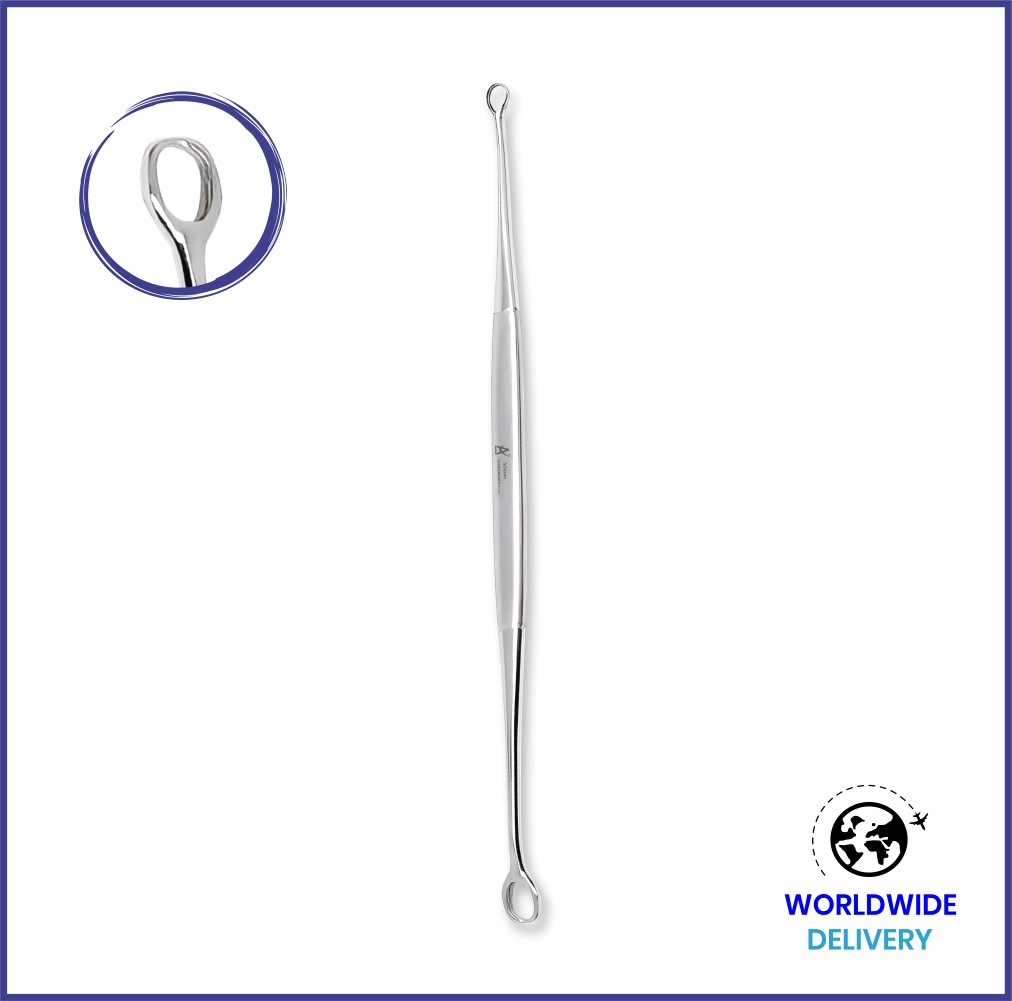
The surgical curettes are small, spoon-shaped surgical instruments designed to scrape, scoop, or remove delicate tissues and abnormal growths from a body cavity or surface. These instruments are often hand-held or mechanically operated, with a stylus-like body that culminates in a working end. The curettes are designed with either a sharp or blunt blade and feature a curved shape that helps access tight or delicate areas, making them essential in many surgeries. Moreover, surgeons prefer using these instruments across a wide range of surgical settings, including orthopedics, gynecology, ENT, dental, and many others. The following are a few general characteristics of the curettes, along with their surgical benefits.
- Scoop/Loop/Gouge tip for precise tissue management.
- Sharp cutting edge to perform efficient excision & debridement.
- Blunt/ rounded tip with no sharp edges to minimize trauma and promote safety.
- Area-specific angulation to provide access to complicated anatomy.
- Long, slender shaft for deep surgical access and reach.
- Ergonomic, non-slip handle for enhanced tactile feedback and reduced fatigue.
Purpose of a Curette in Surgical Procedures
Surgical curettes are used primarily to scrape off and remove soft tissues from bone surfaces or deep cavities, and for other procedures. The following are a few applications summarized as the main purpose of curettes.
Tissue Removal and Debridement
The sharp edges of surgical curettes aid in the accurate removal of abnormal, diseased, or unwanted tissue during various procedures. This instrument assists surgeons in cleaning out and eliminating necrotic tissues, abscesses, and infected wounds to promote efficient healing. Additionally, they are also beneficial in the excision of small tumors, cysts, polyps, superficial skin lesions, and other abnormal growths. In addition to removing tissue, surgical curettes are ideal for clearing debris or foreign material from body cavities or wounds, such as earwax (cerumen) from the ear canal.
Precise Surgical Operations
When performing accurate, precise procedures, surgeons prefer curettes because they enable high precision in delicate surgical operations. They are ideal instruments for tissue removal because they are available in a range of sizes and shapes. Medical professionals can select appropriate curettes to scrape, scoop, or remove tissue from hard-to-reach or sensitive surgical areas. Moreover, the curved and rounded edges of these tools assist in performing controlled movements to minimize injury to surrounding structures.
Diagnostic Sampling (Biopsy)
The curettes are essential instruments used for scraping tissue samples and obtaining them for laboratory examination or diagnosis. These biopsy samples are collected and examined under a microscope to detect abnormalities, such as cancer, precancerous changes, or infection. For example, a curette is used to collect cells from the cervix or uterus to diagnose conditions such as cancer or infections during gynecological procedures.
Clearing Blockages or Obstructions
Curettes are used to help clear blockages and obstructions in body cavities during some surgical procedures. This provides an enhanced view of the surgical field and reduces the risk of infection. For example, it helps precisely remove impacted earwax or foreign bodies from the ear canal or nasal passages during ENT procedures. Additionally, it also facilitates the removal of tartar buildup on teeth and cleans around the gums to prevent gum disease.
Tissue Shaping and Preparation
The blunt or sharp tips of the curettes help in carefully shaping, cleaning, and preparing complex tissue structures like bone or tooth surfaces for subsequent procedures, such as bone grafting. Moreover, the curettes may be used to smooth out bone surfaces or prepare them for grafts, especially during joint replacement procedures. Additionally, this aspect of tissue shaping is also at play in cosmetic surgery, where careful excision of unwanted tissue or growths is essential for achieving the desired aesthetic outcomes.
Versatility Across Surgical Specialties
When it comes to performing surgeries with curettes, these highly versatile tools are employed across a range of surgical specialities. Here’s a breakdown of their use across different fields:
Gynecology (Dilation and Curettage - D&C)
The curettes are surgical instruments mainly used in gynecological procedures, especially D&C, where the uterine lining is scraped to treat abnormal bleeding or following a miscarriage. The uterine curette is the preferred instrument for gynecological procedures that require tissue removal. Furthermore, the shape of the curette enables the surgeon to gently remove tissue while reducing trauma to the uterus.
Orthopedic and Bone Surgery
In procedures involving bones, the curettes are used to clean out and remove bone debris or damaged tissue from joints or fractures. They also assist in smoothing the bone surface and preparing it for procedures such as bone grafting or joint replacement. This automatically ensures that the implant fits perfectly and promotes bone healing. You can consider using the Kerpel bone curettes or Hatfield bone curettes to perform orthopedic surgery.
Dermatology
The sharp tips of curettes help excise and scrape benign skin lesions, such as warts, cysts, or seborrheic keratosis, with minimal damage to surrounding healthy skin. They also facilitate the collection of biopsy samples for diagnosis and examination. Most dermatological curettes have sharp, circular, or oval blades that allow easy scraping of the lesion without damage.
Dentistry and Periodontology
The Lucas curettes and posterior sickle curettes are the most prominent types of dental curettes, which help in scaling and cleaning teeth, particularly to remove plaque and tartar from beneath the gum line. This prevents and safeguards the gums against diseases and infections, keeping the mouth healthy.
Ear, Nose, and Throat (ENT)
Medical professionals use small, delicate curettes to perform ENT procedures, especially surgeries that require removing impacted earwax, debris from the nasal cavity, or foreign bodies from the ear. This automatically clears out any blockage in these sensitive areas and prevents the risk of infection. Additionally, removing foreign objects from the nose, ear, and throat helps relieve discomfort and restores normal function. Some curettes used in ENT procedures include Coakley antrum curettes, Buck ear curettes, and Lempert curettes.
Type of Curettes
The surgical curettes are available in different designs, each suited for particular surgical uses. Some common types include:
- Adenoid Curettes
- Columbia Curette
- Barnhill Curette
- Universal Curette
- Gracey Curette
- McCall Curette
At Acheron Instruments, we offer a wide range of high-quality surgical curettes suitable for all applications according to the anatomical variations. Contact us today to request a quote or explore our full catalogue of curettes.
Conclusion
Curettes are one of the most essential types of equipment in any operating room tool kit that assist surgeons in multiple surgical scenarios. However, it's necessary to choose the righteous instruments for your operating rooms that will last longer and enhance the efficiency of your procedure. From gynecology and orthopedic surgery to dermatology, dentistry, and ENT, the curette’s ability to handle delicate tasks makes them an essential tool in many surgical specialties. We at Acheron Instruments provide the best quality curettes at the most reasonable prices. We offer an extensive range of surgical curettes for various applications.

-1790596974.jpg)