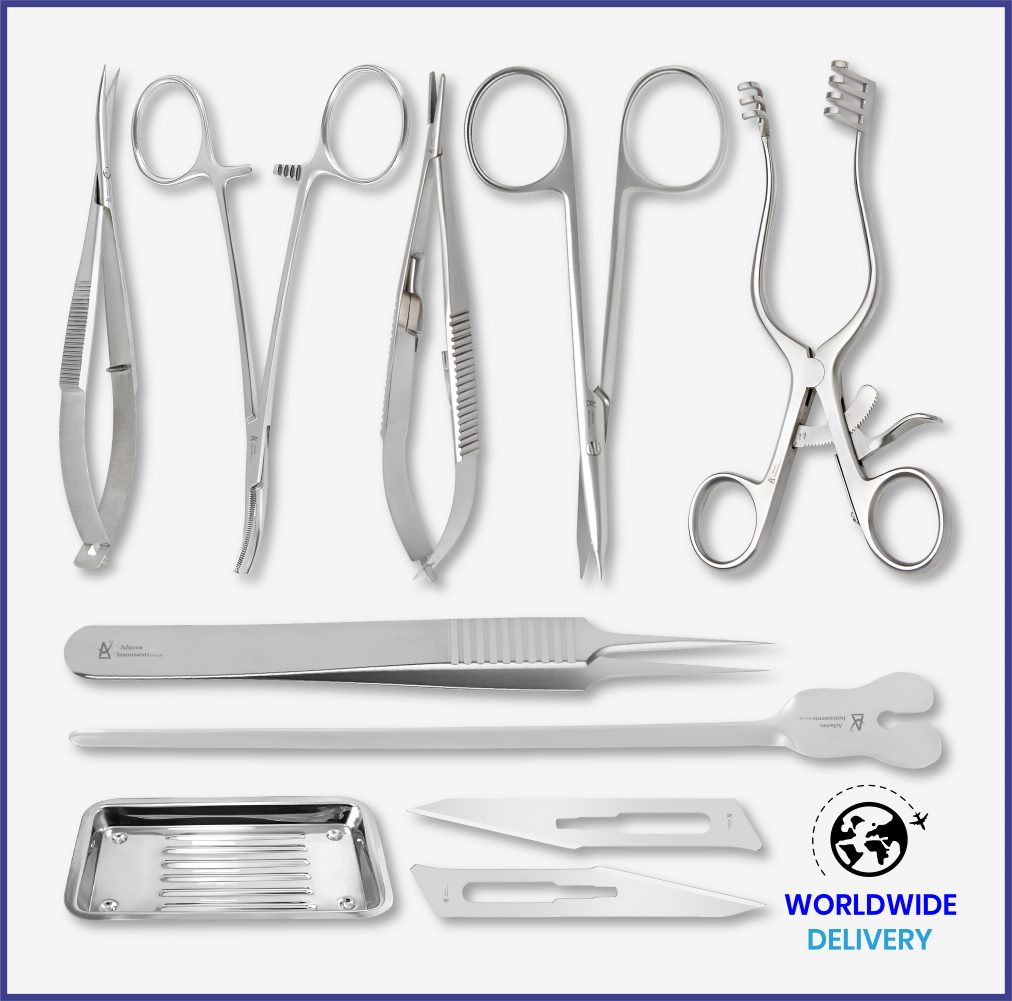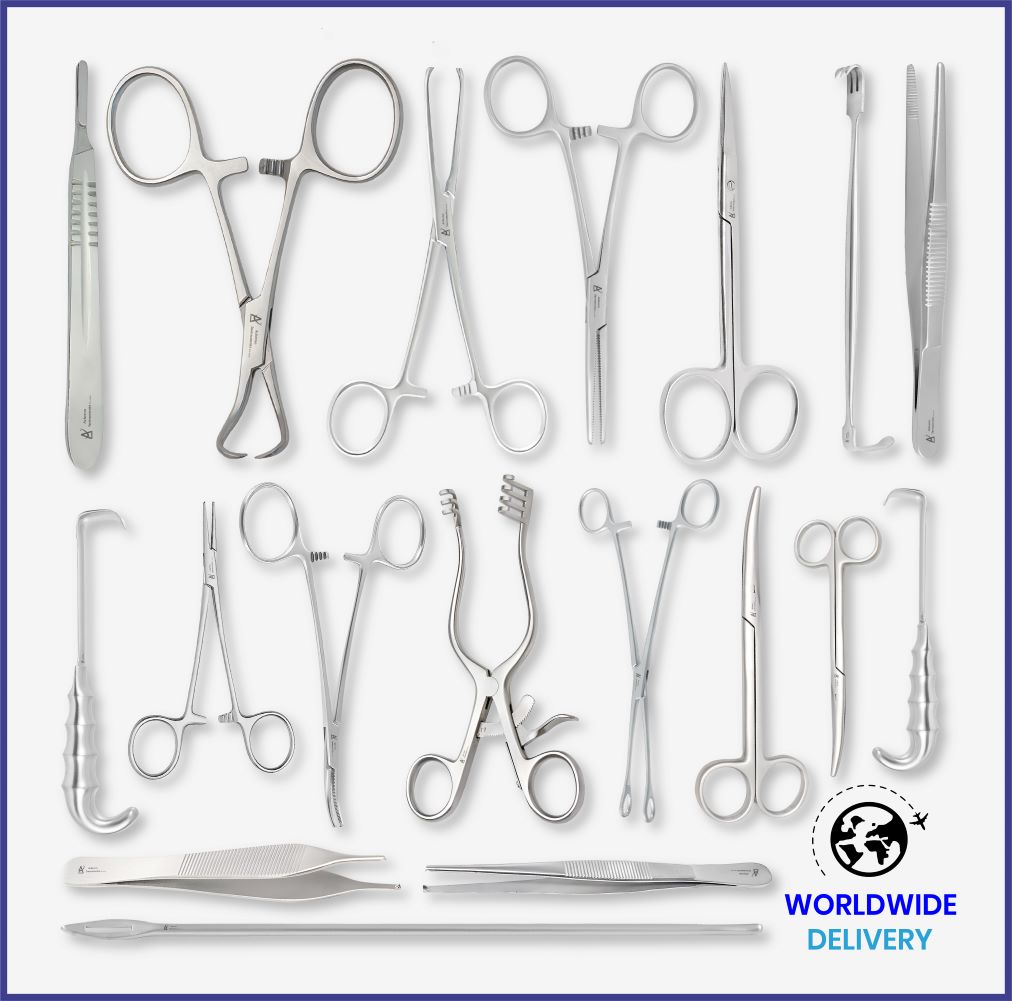
Surgical instruments are an integral part of the surgical world that are designed to perform everything from basic diagnostic tasks to complex surgeries. These instruments enable surgeons to cut, grasp, manipulate, and examine tissues, ensuring optimal results for patients. Moreover, these tools are available for various procedures, including general surgery, ophthalmic surgery, cardiovascular surgery, and others.
In the cardinal guide to surgical instruments, we’ll explore the types of surgical instruments, how they’re classified, and the materials used in their manufacturing. It will provide you with a better understanding of these invaluable surgical tools.
What Are Surgical Instruments?
Surgical instruments are specialized tools designed for use in medical procedures and surgeries. These instruments serve various functions, including cutting, dissecting, holding, suturing, and even aiding surgeons in visualizing internal body structures. Furthermore, there is a wide range of surgical instruments, which can be broadly categorized based on their function, materials, and construction. They are often made from durable materials like stainless steel or titanium, which resist corrosion, ensuring they last longer and stay sterile.
The Cardinal Classifications of Surgical Instruments
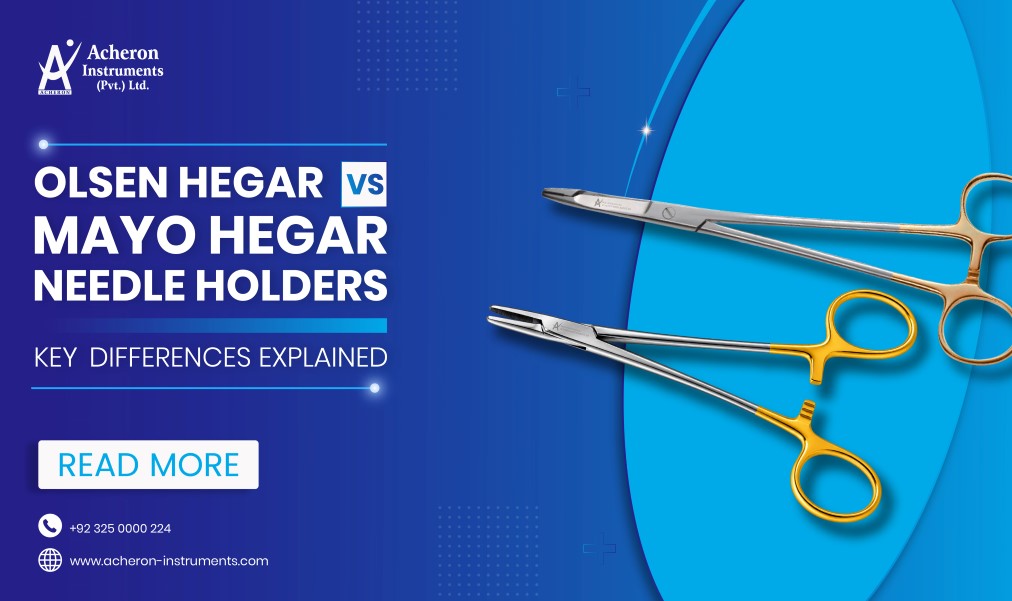
Surgical instruments used in an operating theatre are broadly classified into four categories according to their functions. These are cutting and gripping, holding in place, retracting, and uncovering for clearer visualization. The most common surgical instruments used in any surgery are needle holders, artery forceps, surgical scissors, and scalpel blades. As previously discussed, these are essential instruments because they are used extensively in surgeries. The needle holder falls in the category of holding instruments, as it helps in holding and nudging a needle during wound closure or ligation.
Additionally, to understand the cardinal classifications of surgical instruments, we can break them down into specific categories based on their function. The following are the most common classifications of these instruments.
Cutting and Dissecting Instruments
The cutting and dissecting instruments are used to divide tissue and organs, cut through bones, or create incisions in the body. These instruments must be sharp, durable, and precise to ensure minimal tissue damage.
- Scalpels (Surgical Blades): These are the most iconic instruments that are typically held with a #3 or #7 handle, fitted with disposable blades (e.g., a #10 blade for large incisions and a #15 for fine dissection).
- Scissors: Surgical scissors come in different designs and sizes. The most common scissors include Mayo Scissors, Metzenbaum Scissors, Bandage Scissors, and others.
- Bone Saws: Specially designed for cutting through bones during orthopedic surgeries.
Grasping and Holding Instruments
These grasping and holding instruments provide a mechanical advantage to hold tissue, organs, or needles. They are carefully crafted with ergonomics in mind to give surgeons a reliable, comfortable grip.
- Forceps: The forceps are commonly used for clamping or grasping tissues or foreign objects. Adson forceps are a noticeable tool used for grasping skin or tough tissue.
- Needle Holders: Used to hold needles securely while suturing tissues.
- Clamps: These are designed to clamp blood vessels or tissues to control bleeding. Instruments, such as the Kelly clamp, Babcock clamp, and others, are commonly used during surgery.
Retracting Instruments
Retractors are tools used to pull back tissues or organs to provide the surgeon with better visibility and access to the area being operated on. The Richardson retractor is the most commonly used for surgeries.
- Handheld Retractors: These instruments require a second person to hold them in place during the surgery.
- Self-Retaining Retractors: These retractors can lock into position on their own and are often used in more complex surgeries.
Clamping and Occluding Instruments
Clamping instruments are used to grip tissues or blood vessels to control bleeding or hold a structure in place. They are employed in many surgical procedures, from simple surgeries to complex cardiovascular operations.
- Kocher Clamps: These heavy-duty clamps feature interlocking teeth at the tip. They are traumatic and used to hold dense tissue or clamp the base of an organ that is to be removed.
- Satinsky Clamps: Partially occluding vascular clamps shaped like an "L" or "U", allowing the surgeon to clamp one side of a vessel without stopping all blood flow.
Suturing and Stapling Instruments
After surgery, many incisions must be closed to promote healing. Suturing and stapling tools help hold the tissue together, reducing infection risk and speeding up recovery.
- Suture Needles: These are used to sew tissues together after an incision.
- Staplers: Surgical staplers are used to quickly close wounds, especially in areas where sutures might be hard to apply.
- Needle Holders: Besides holding needles, they are also essential for inserting sutures during surgery.
Viewing or Diagnostic Instruments
These tools are indispensable for diagnosing conditions or assisting with minimally invasive procedures. They are often equipped with cameras and lighting, which are essential for providing clear, high-definition views of the surgical site.
- Endoscopes: These are used to visualize internal organs without large incisions. They can be inserted through small openings in the body.
- Laparoscopes: A type of endoscope used in minimally invasive abdominal surgery.
- Otoscope: Used for examining the ear canal and eardrum.
Why Choose Acheron Instruments for Surgical Tools?
When it comes to buying high-quality surgical instruments, Acheron Instruments stands out as a trusted name in the industry. Our instruments are made from high-grade stainless steel with a satin finish, reducing glare and improving visibility during procedures. Designed with ergonomics in mind, our forceps provide better control, making them perfect for delicate surgical tasks.
Furthermore, Acheron Instruments is dedicated to quality and compliance, holding US FDA approval, EU MDR certification, ISO 13485, and CE compliance. This ensures that our surgical instruments meet the highest standards for safety, performance, and durability through repeated sterilization cycles. Choose Acheron Instruments for surgical tools and experience the difference in quality, safety, and precision.
Conclusion
Surgical instruments are the foundation of any operation, enabling surgeons to perform with accuracy and precision. The Cardinal Guide to Surgical Instruments details the key categories and tools that ensure safe and successful surgeries. Whether it’s cutting, holding, suturing, or diagnosing, these instruments are crafted to the highest standards, using materials like stainless steel and titanium for durability and strength. You can contact us or visit our website for more information.
FAQs
How do I prevent surgical instruments from rusting?
Rust is usually prevented by cleaning immediately after use to remove saline and blood, using demineralized water for rinsing, and applying proper lubrication with instrument milk before autoclaving.
Why are titanium instruments preferred in some cases?
Titanium instruments are lightweight, possess a higher strength-to-weight ratio, and are highly biocompatible, making them ideal for specific applications.
What are the differences between forceps and hemostats?
Forceps are used for grasping or holding tissues or objects, while hemostats are specialized clamps designed to control bleeding by constricting blood vessels.
Can surgical instruments be reused?
Many surgical instruments are made to be reused, but they need to be thoroughly sterilized between uses to prevent infections and keep them effective.

-1790596974.jpg)