
In multiple surgical disciplines, it is one of the most foundational procedures for securely holding and manipulating tissues or organs, especially to achieve maximum exposure of the surgical field. The medical professionals rely on different surgical instruments to hold tissues securely during surgeries. The choice of tools highly depends on the exposure the surgeons require and the extent of tissue damage or post‑operative complications. The best surgical instruments are available in multiple sizes, types, variants, and features to accommodate general to complex surgical procedures. In this blog, we will delve into the best surgical instruments for securely holding tissues during surgery, how they differ, when to use each, and which features matter most.
Why Holding Tissues Securely Matters
It is crucial to hold the tissue securely during surgery to allow for precision, prevent damage to delicate structures, ensure proper wound closure and healing, and reduce the risk of complications. There are different reasons that define why holding tissues is essential during surgery, which are as follows:
- It becomes easier for surgeons to achieve maximum exposure of the surgical areas while effectively and securely holding the tissues.
- The correct holding and positioning of the tissues is essential to reduce the risk of crushing, tearing, puncturing, and devascularization.
- Supports hemostasis and prevents unintended tissue movement, which might otherwise compromise surgical outcome.
- Helps reduce total time consumption during surgery while reducing fatigue for the team by improving ergonomics and control.
Major Types of Instruments for Holding Tissues
The following outlines the main types of surgical instruments used to hold tissues or organs, including their functions, typical features, and appropriate uses.
Tissue Forceps
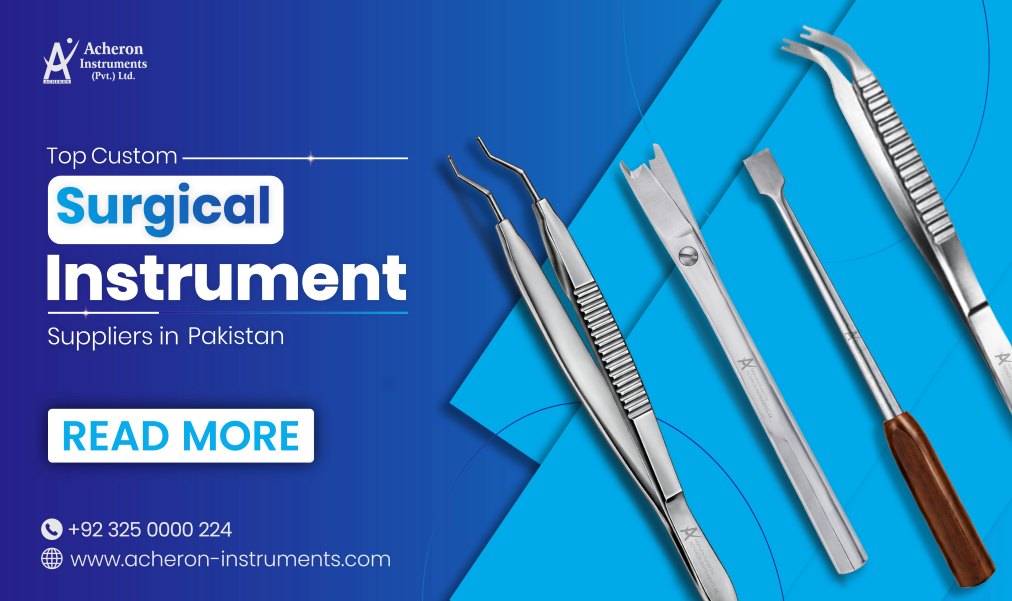
Tissue forceps are the most common type of instrument used for holding delicate to dense tissues for precise handling or manipulation. These tools are often designed with atraumatic or grooved tips and come in a variety of sizes, shapes, and types. Tissue forceps help hold the edges of the skin during suturing, manipulate delicate tissues, and secure tissues in position while other instruments perform tasks such as cutting or dissecting. The most common types of these forceps include Adson Forceps (used for handling dense tissue, such as skin closures), DeBakey Forceps (used on blood vessels or delicate organs), and Russian Forceps (used for atraumatic tissue grasping).
Toothed Forceps
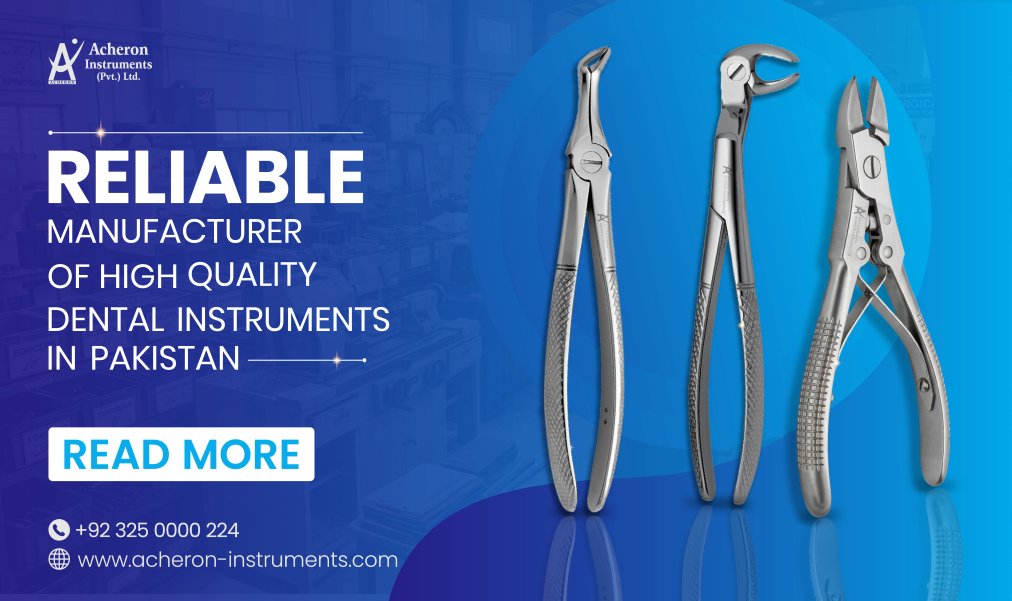
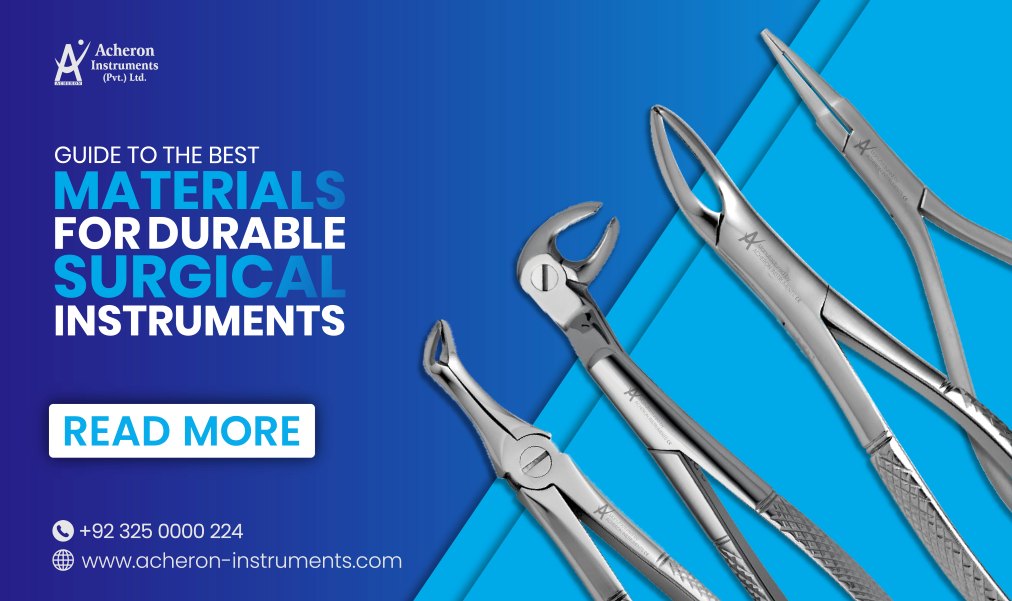
Toothed forceps feature interlocking teeth at the tip, which grip tissues more securely than any other instrument. These are a special type of tissue forceps that provide a firmer, more secure grip than serrated or smooth-tipped forceps. The toothed design is ideal for grasping dense, firm, or tough tissues, such as skin or fascia, for excision with minimal damage or trauma. The Kocher forceps feature serrated jaws with teeth, providing easy access and visibility to deep tissues and structures for stable handling. However, the use of toothed forceps can cause additional tissue trauma, so they are generally not recommended for delicate structures such as blood vessels or nerves.
Locking Clamps/ Forceps
These locking clamps feature a ratchet mechanism near the finger-ring handle, allowing the surgeon to accurately lock the jaws and maintain constant, secure pressure without continuous manual force. The locking mechanism of these clamps or forceps is ideal for holding tissues or organs for extended periods, such as when an assistant is not available to carry them manually. Additionally, these tools help occlude tubular structures, such as blood vessels, to achieve efficient hemostasis. Allis forceps and Dandy forceps are examples of locking forceps. They vary in shape and size, with jaws that can be smooth, serrated, or toothed, depending on the tissue type.
Retractors
Surgical retractors are also one of the best instruments that can be used to hold tissues, organs, skin, or muscles to keep them away from the surgical area for maximum exposure. These retractors can be either self-retaining, which incorporate a screw, ratchet, or frame mechanism to lock into position, or handheld, which an assistant or the surgeon must hold. The retractors are available in different sizes and shapes to hold back and manipulate the tissues to access underlying structures. For handheld retractors, the Deaver retractor (for deep abdominal retraction) and the Richardson retractor (for general deep tissue retraction) are a perfect choice. You can select the Weitlaner retractor and Gelpi retractor (with ratcheted prongs for superficial to moderate depth) and the Balfour retractor (an extensive frame system for abdominal retraction) for self-retaining retractors.
Specialized Hemostats and Vascular Clamps
Hemostatic clamps are widely used to hold tissues and organs in place, apply firm pressure to specific locations, and control bleeding. These versatile instruments are available in a variety of designs, including straight, curved, or angled tips, and are often tailored for specific surgical needs. Moreover, the serrated jaws of these hemostats and vascular clamps help clamp and compress blood vessels or tissues to control bleeding during dissection or when vessels need to be temporarily occluded. For instance, Mosquito Forceps (small, used for fine vessels or delicate tissue), Kelly Forceps (medium-sized, with serrations only on the distal half of the jaw), Bulldog Clamps (small, spring-loaded for temporary occlusion of smaller arteries), and DeBakey Vascular Clamps (designed for use on major blood vessels in cardiovascular surgery) are suitable options for hemostatic and vascular clamps to hold tissues.
Principles in Choosing Tissue‑Holding Instruments
You need to consider the following principles when choosing the appropriate instrument for secure tissue holding.
- You must choose the appropriate instrument for each tissue type; for example, atraumatic forceps are better suited when handling delicate or thin tissues. Additionally, for denser or more robust tissues, use toothed forceps or locking clamps to achieve a firmer grip.
- An instrument with a balanced grip security is an excellent choice to reduce slippage; however, it may raise the risk of crushing injury.
- You should consider the duration and context of the hold when selecting the appropriate option. For instance, if you need to hold a tissue for prolonged periods, go for locking instruments or self-retaining retractors.
- The ergonomic handle design reduces operator fatigue and improves precision, especially during longer surgeries.
- It is essential to consider the appropriate length, angled tips, or shaft design to ensure accessibility, depth, and angle without compromising visibility or leverage.
If you're looking for high-quality, reliable surgical instruments for secure tissue handling, explore the wide range of options available at Acheron Instruments. Visit Acheron Instruments to learn more and elevate your surgical practice!
Conclusion
In any surgical procedure, the simple act of securely holding tissue is foundational to achieving safe, efficient, and high‑quality outcomes. We have mentioned a few major categories of surgical instruments for holding tissues, including tissue forceps, toothed forceps, locking clamps, retractors, specialized hemostats, and vascular clamps. Each instrument securely handles the tissues, enabling the surgeon to achieve clarity of view, making the assistant more efficient, smoothing the procedure, and reducing collateral damage to the patient. Contact us today or visit Acheron Instruments to learn more and elevate your surgical practice!

-1790596974.jpg)